
The New Frontier of the 2026 Ganges Treaty
Jahanara Jaba | 05 March 2026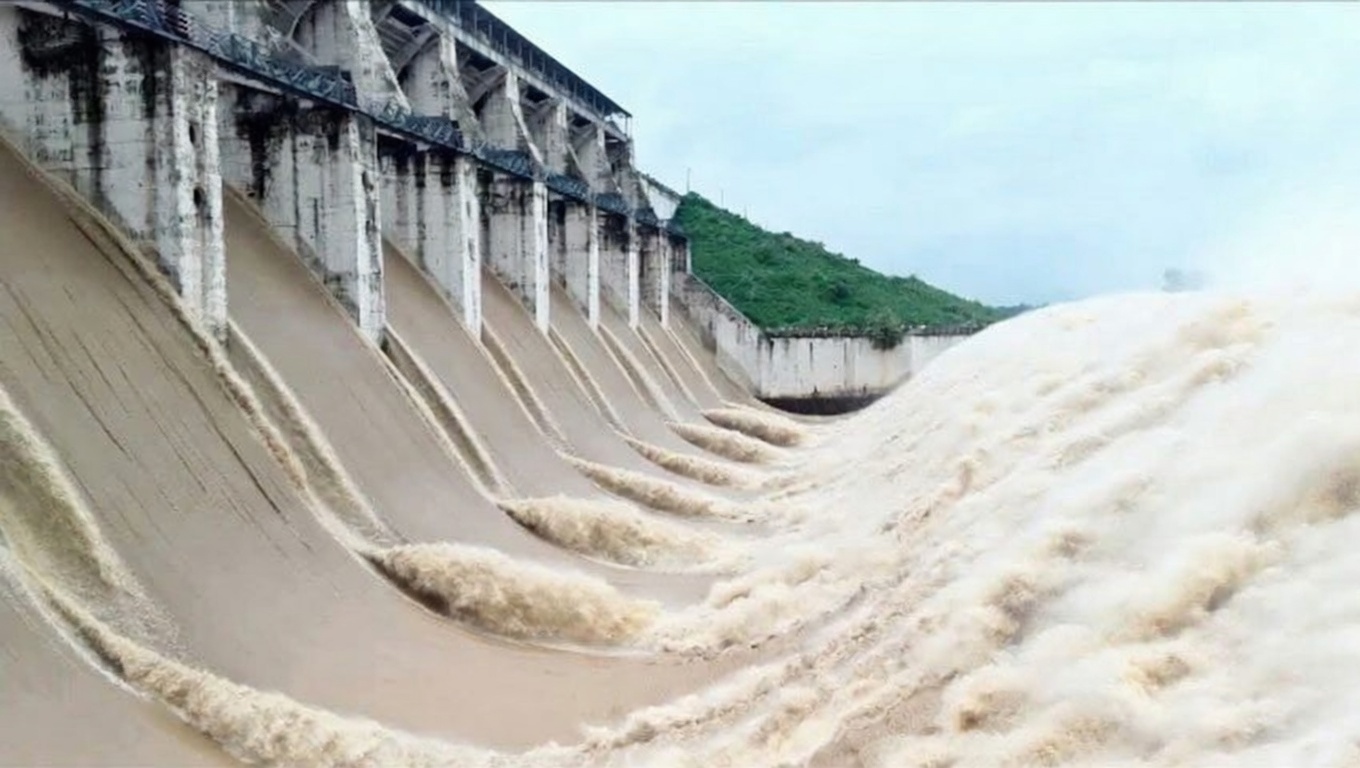
Bangladesh is defined by its waters. The nation’s identity, economy, and culture are inextricably linked to the 407 rivers that vein its landscape. According to the Bangladesh Water Development Board (BWDB 2011), 57 are transboundary in nature among 407 rivers. A transboundary river is a river that crosses at least one political border. Bangladesh’s rivers flow from north to south and finally release the water into the Bay of Bengal. The mightiest rivers, the Ganges-Padma, the Brahmaputra-Jamuna, and the Meghna, flow through Bangladesh. The Padma is a transboundary river shared by India and Bangladesh and plays a key role in the political relationships between Bangladesh and India.
The Ganges Water sharing treaty, originally signed on December 12, 1996, is set to expire in December of this year, and its renewal could be a determining factor in the tumultuous relationship between Bangladesh and India. This deadline presents a pressing diplomatic challenge, considering that a new government took office following the 13th national parliamentary election. It persists as a challenge for the government to remake the treaty, as bilateral relations have not yet recovered after the July Uprising in 2024.
What should the new treaty bring to the table?
The 1996 treaty relies on flows of measurement from a century ago. It acknowledges the share of international river water and optimizes resources to improve farming, energy, and safety for everyone involved. The new treaty must be based on real-time water availability to ensure a fair and sustainable solution. The current treaty distributes water based on an availability of 70000 cusecs or less, following a 50% split for each party. However, the problem is that because India is the upstream riparian, the water flow remains sufficient for India during the dry season. When the flow exceeds 75,000 cusecs, India takes a fixed 40,000 cusecs, and Bangladesh receives the leftover flow. A major issue persists in that the water flow increases during the monsoon season; at that time, the excessive flow of water causes flooding and riverbank erosion in Bangladesh. The renewal of the treaty must transition to integrated basin management based on the actual water basin flow. It cannot be fixed numbers, but rather account for upstream withdrawals. It must include monsoon regulation of the water. Integrated regulation in both seasons should be frozen in this new treaty.
The new government must secure for guaranteed water clause in the upcoming treaty to ensure Bangladesh no longer suffers from low flow during the dry months and high flow during the monsoon. According to the Convention on the Law of the Non-navigational Uses of International Watercourses 1997,watercourse states shall in their respective territories utilize an international watercourse equitably and reasonably. The new treaty must utilize the legal right of downstream states to a fair share of water according to the convention.
According to International Law, countries shouldn’t build dams or barrages that cause major issues for their neighbors. However, India built the Farakka Barrage, which has been causing losses to the southwest and northwest parts of Bangladesh.
To achieve the objectives of the new treaty, the Farakka Barrage must be under Joint Management. This would legally give Bangladesh a seat at the table where hydraulic works are managed, ensuring Bangladesh has the authority to prevent any negative impact.
Bangladesh has become significantly more vulnerable to climate change due to irregular flooding, droughts, and increasing water salinity, all of which place millions of lives at risk. With the upcoming treaty renewal, both sides must prioritize 'planetary health' alongside human survival, which was largely absent from the 1996 agreement. India and Bangladesh should align their goals to restore the ecological balance of the shared river environment. By joining the UN Water Convention, Bangladesh has secured a legal platform to demand a treaty based on Planetary Health.
The remaining flaws of the 1996 treaty must be addressed in the upcoming treaty. The new agreement should move toward a multilateral framework, potentially including Nepal, to help manage flows originating from the Himalayas. Additionally, the UN Water Convention should serve as a third-party legal safeguard to resolve disputes fairly. Although India is not yet a signatory, Bangladesh, having joined the Convention on June 20, 2025, must advocate for its principles to be the foundation of the 2026 renewal.
What are the challenges ahead?
Since the July Uprising in 2024, both anti-India and anti-Bangladesh sentiments have grown. The new government's key challenge remains navigating this sentiment to drive an impactful and positive treaty. Policymakers and experts may face uncooperative behavior from the Indian government. In India, water management is a state-level responsibility, which means the fate of the Ganges largely depends on the cooperation of the West Bengal government. As of February 2026, even though New Delhi has expressed a willingness to move forward with negotiations, Chief Minister Mamata Banerjee remains publicly reluctant. This pattern was previously seen with the Teesta Treaty, which has remained stalled for over a decade because West Bengal refused to sign it.Another major challenge lies in the fact that India is not a signatory to the UN Water Convention. This makes it difficult for Bangladesh to enforce these international standards directly, as India prefers to handle water issues through private, bilateral negotiations rather than global legal frameworks.
The future of the Ganges Water Treaty, and the livelihoods of millions of stakeholders, depends on the willingness of both nations to engage constructively. Success requires a commitment to mutual listening and a deep understanding of each other's genuine concerns to achieve an impactful, balanced, and sustainable agreement.In all future negotiations, Bangladesh must remain steadfast in protecting its national interests. The new administration’s core manifesto, 'Shobar Age Bangladesh,' dictates that water sovereignty and the needs of our people must come before any diplomatic compromise.
Jahanara Jaba is a Research Intern at Centre for Governance Studies (CGS)
Disclaimer: Views in this article are author’s own and do not necessarily reflect CGS policy