
Ceasefire Without Trust: The Unfinished Story of the Iran-U.S. Conflict
Tanzila Hosin Tonny | 21 April 2026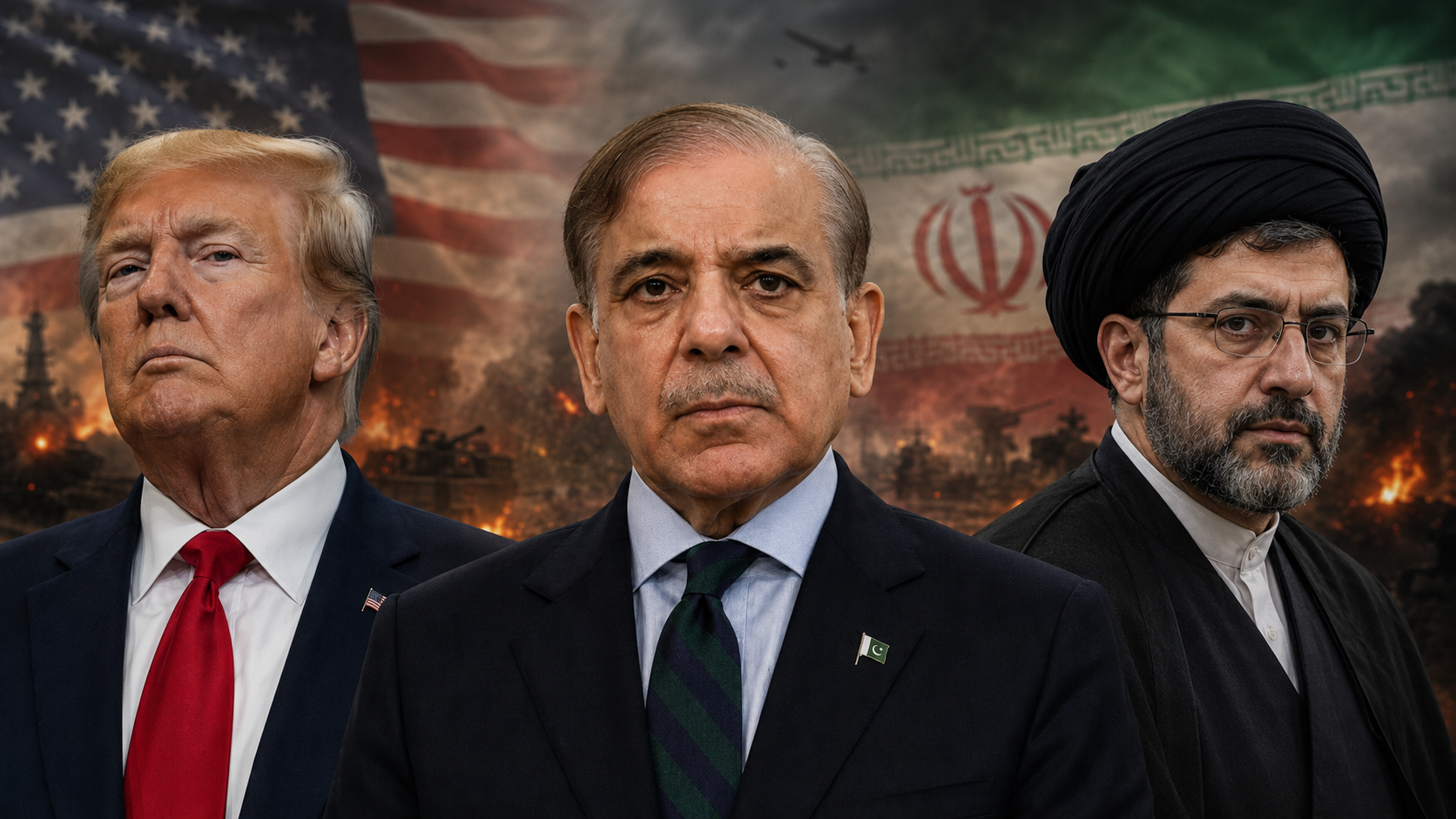
The 2026 Iran war became one of the most serious crises in the recent history of the Middle East. What began as a direct military confrontation involving the United States, Israel, and Iran soon developed into a wider regional crisis. The conflict affected Lebanon, the Gulf states, major oil routes, and the broader balance of power in the region. It caused severe destruction, mass displacement, and significant human suffering. At the same time, the war exposed the weakness of diplomacy in a region shaped by deep mistrust, proxy conflicts, nuclear tensions, and competing security interests.
As the conflict expanded across the region, its humanitarian impact became immediate and severe. Iran suffered heavy destruction, while Lebanon again became a major battlefield after the conflict triggered renewed fighting between Israel and Hezbollah. Thousands of people were reportedly killed in Iran and Lebanon, while Israel and Gulf Arab states also faced casualties from Iranian missile and drone attacks. Millions of people were displaced across the region. In Lebanon alone, more than one-sixth of the population was reportedly forced to leave their homes. For ordinary people, the war meant not only fear and insecurity but also disruption to daily life, including access to shelter, food, healthcare, and basic safety.
The crisis also had major economic consequences beyond the battlefield. Iran’s threats and actions around the Strait of Hormuz disrupted one of the world’s most important oil chokepoints. Since a large share of global oil and gas shipments passes through this route, instability in the area immediately affected energy markets. Fuel shortages appeared in parts of Asia, shipping costs increased, and inflationary pressure spread across economies already facing uncertainty. This demonstrated that a Middle Eastern war is never only a regional matter. Its effects can reach households, businesses, and governments far beyond the conflict zone.
After more than five weeks of fighting, the United States and Iran agreed to a ceasefire on April 7 which also included Israel. The ceasefire reduced the intensity of the conflict, but it did not resolve the deeper issues that had caused the war. Iran remained angry over attacks on its territory and leadership. Israel remained concerned about Iran’s military and nuclear capabilities. The United States wanted to prevent Iran from using the Strait of Hormuz as a bargaining tool. Gulf states wanted stability, but they also feared being pulled into another round of confrontation.
Following the ceasefire, Pakistan played an important mediating role by hosting talks between the United States and Iran in Islamabad on April 11 and 12. These talks were seen as a final attempt to prevent the war from expanding into a deeper regional and global economic crisis. However, the negotiations ended after only 21 hours without an agreement. The talks failed mainly because the United States presented a rigid set of conditions, describing them as its “final and best offer.” U.S. Vice President James David Vance said Iran refused the American terms on its nuclear program. However, the failure also reflected deeper problems in the negotiation process. The issues under discussion were highly complex, including Iran’s nuclear activities, ballistic missiles, sanctions relief, the reopening of the Strait of Hormuz, civil nuclear rights, and guarantees that the war would not resume.
The negotiations also failed because the two sides viewed the crisis from very different perspectives. For the United States, the main priority was to restrict Iran’s nuclear program, reduce its missile threat, and limit its regional influence. Washington also wanted assurances that Iran would not threaten energy routes in the Gulf. For Iran, the main concerns were sanctions relief, security guarantees, recognition of its sovereignty, and respect for its claimed right to a civilian nuclear program. Iran also viewed uranium enrichment as a matter of national pride and symbolic recognition. Because these concerns were not properly addressed, the talks became focused more on pressure and fixed demands than on compromise. Pakistan’s mediation helped keep communication open, but it could not produce a final settlement.
The possibility of a second round of talks remained uncertain. A further round of U.S.-Iran negotiations was expected to take place in Islamabad on April 20, 2026, with the aim of extending the two-week ceasefire. However, the process became more fragile after the U.S. Navy intercepted an Iranian-flagged container ship in the Gulf of Oman. Iran described the seizure as “piracy” and questioned whether it would continue negotiations while the naval blockade remained in place. The expected participants included U.S. Vice President JD Vance, Jared Kushner, and Steve Witkoff from the American side, while Iran’s team included Mohammad Bagher Ghalibaf and Foreign Minister Abbas Araghchi. This showed that diplomacy was still possible, but the political and military environment remained highly unstable.
The future of Iran-U.S. relations remains uncertain. The ceasefire reduced immediate violence, but it did not settle the core disputes between the two countries. Iran is likely to continue demanding sanctions relief, security guarantees, and recognition of its right to a civilian nuclear program. The United States, on the other hand, is expected to continue seeking strict limits on Iran’s nuclear activities, missile program, and regional influence. As a result, tensions may continue even if both sides avoid another full-scale war.
However, Iran war should not be understood only as a short-term military crisis. It was the outcome of long-standing nuclear disputes, regional rivalries, failed diplomacy, and competing security interests. The war showed how quickly a conflict involving Iran, Israel, and the United States can spread across the Middle East and affect the wider world. Although the ceasefire created a temporary pause, lasting stability will depend on whether the main actors can move from military pressure to serious diplomatic engagement. Without patience, trust-building, and compromise, the region may continue to face repeated cycles of confrontation, failed negotiations, and renewed instability.
• Tanzila Hosin Tonny is a Research Assistant at Centre for Governance Studies (CGS)
Disclaimer: Views in this article are author’s own and do not necessarily reflect CGS policy