
Can Peace Talks End Insurgency?
Rommel C. Banlaoi | 17 May 2026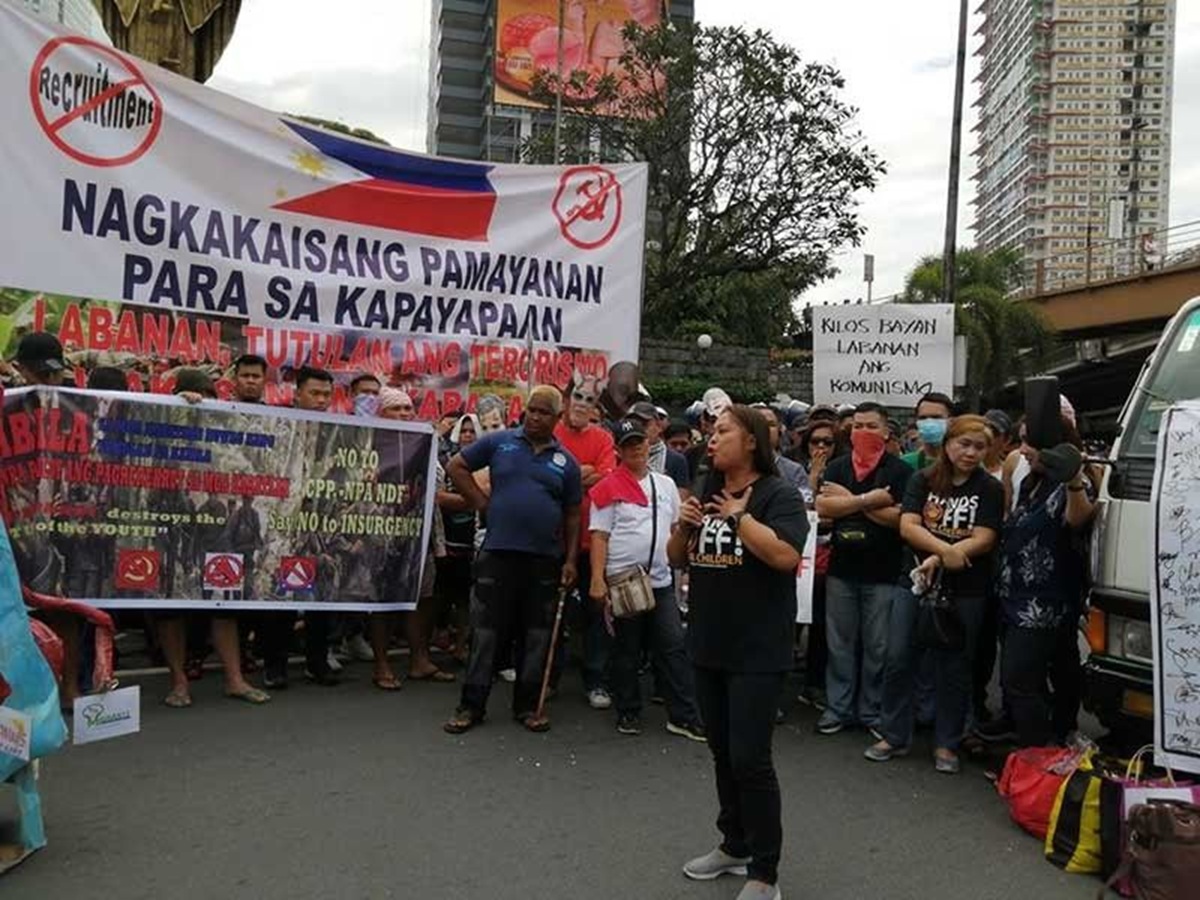
Filipinos have endured the communist insurgency for more than five decades. The Communist Party of the Philippines–New People’s Army–National Democratic Front (CPP-NPA-NDF), once a formidable force, has suffered tremendous decline. Yet, the communist movement continues to challenge state authority, disrupt rural communities, stall development, and disturb the peace.
Can peace talks really end this protracted war? Exemplary practices indicate that peace talks can end insurgency if pursued with strong political will and legal commitment to address the structural roots of armed rebellion.
Peace talks are platforms for grievances to be heard, compromises to be explored, and reintegration pathways to be opened. Localized peace engagements have already shown their worth. Thousands of rebels have surrendered through amnesty programs, and many guerrilla fronts have been dismantled.
These outcomes prove that talks, when paired with livelihood support and reintegration, can weaken insurgent networks. More importantly, peace talks can reduce, if not totally eliminate, violence.
The Philippines has already demonstrated that peace talks can yield transformative achievements. The 1996 peace agreement with the Moro National Liberation Front (MNLF) integrated thousands of fighters into mainstream society. The 2014 Comprehensive Agreement on the Bangsamoro with the Moro Islamic Liberation Front (MILF) led to the establishment of the Bangsamoro Autonomous Region in Muslim Mindanao. These landmark accords are testaments that insurgencies rooted in historical grievances can be resolved through negotiation rather than endless armed confrontation. These agreements are not perfect and the peace they created remain fragile. But they remain milestones in peacebuilding.
Other nations have shown that peace talks can end conflicts. The Good Friday Agreement of 1998 in Northern Ireland marked the end of three decades of violence. In Colombia, the Final Peace Accord of 2016 concluded more than 50 years of conflict with the Revolutionary Armed Forces of Colombia. The Comprehensive Peace Accord of 2006 in Nepal ended a decade-long Maoist insurgency. In El Salvador, the Chapultepec Peace Accords of 1992 integrated the Farabundo Martí National Liberation Front guerrillas into the political system. Finally, South Africa’s negotiated transition between 1990 and 1994 ended decades of armed resistance against apartheid.
These cases highlight common lessons: political will is decisive, structural reforms are essential, integration of rebels into politics is critical, and third party mediation often provides credibility.
Still, peace talks with the CPP NPA NDF are difficult. The group has been demanding conditions that government cannot accept, such as lifting terrorist designations and halting military operations. On the other side, some policymakers argue that negotiations only legitimize insurgents who are already weakened. This mutual distrust has derailed peace talks.
Political inconsistency adds to the difficulty. Different administrations have pursued different priorities, some leaning toward negotiations, others toward military operation. This lack of continuity undermines confidence and allows insurgents to exploit shifting policies.
Most crucially, peace talks cannot succeed if they ignore the structural drivers of rebellion. Landlessness, poverty, and social injustice are not side issues but the very foundation of insurgency. Without addressing them, any peace agreement risks being superficial, offering temporary calm but not lasting stability. Thus, to maximize the potential of peace talks, several steps should be taken:
• Institutionalize dialogue by embedding it in law and policy, ensuring continuity across administrations.
• Address root causes like landlessness, poverty, abuses and injustices.
• Build confidence by upholding transparency and accountability.
• Localized ceasefires can serve as confidence building measures.
• Empower communities by involving local voices, not just elites in Manila.
• Balance security and development as military operations may weaken insurgents but only development can eliminate the conditions that sustain rebellion.
Peace talks alone cannot end insurgency. But without peace talks, insurgency will never truly end.
Experiences with the MNLF and MILF have demonstrated that talks, when backed by political will and structural reforms, can end violence, at least for now. Cases of Northern Ireland, Colombia, Nepal, El Salvador, and South Africa also show that even the most entrenched insurgencies can be resolved through peace talks.
But ending insurgency is not merely about defeating rebels. It is more of achieving social justice by addressing the roots of armed rebellion.
Rommel C. Banlaoi, Ph.D., is the president of the Philippine Society for International Security Studies and chair of the Philippine Institute for Peace, Violence, and Terrorism Research.
This article was originally published on The Kathmandu Post.
Views in this article are author’s own and do not necessarily reflect CGS policy.