
Bulgaria's Adoption of the Euro: A Milestone in European Economic Integration
Roman Uddin | 02 January 2026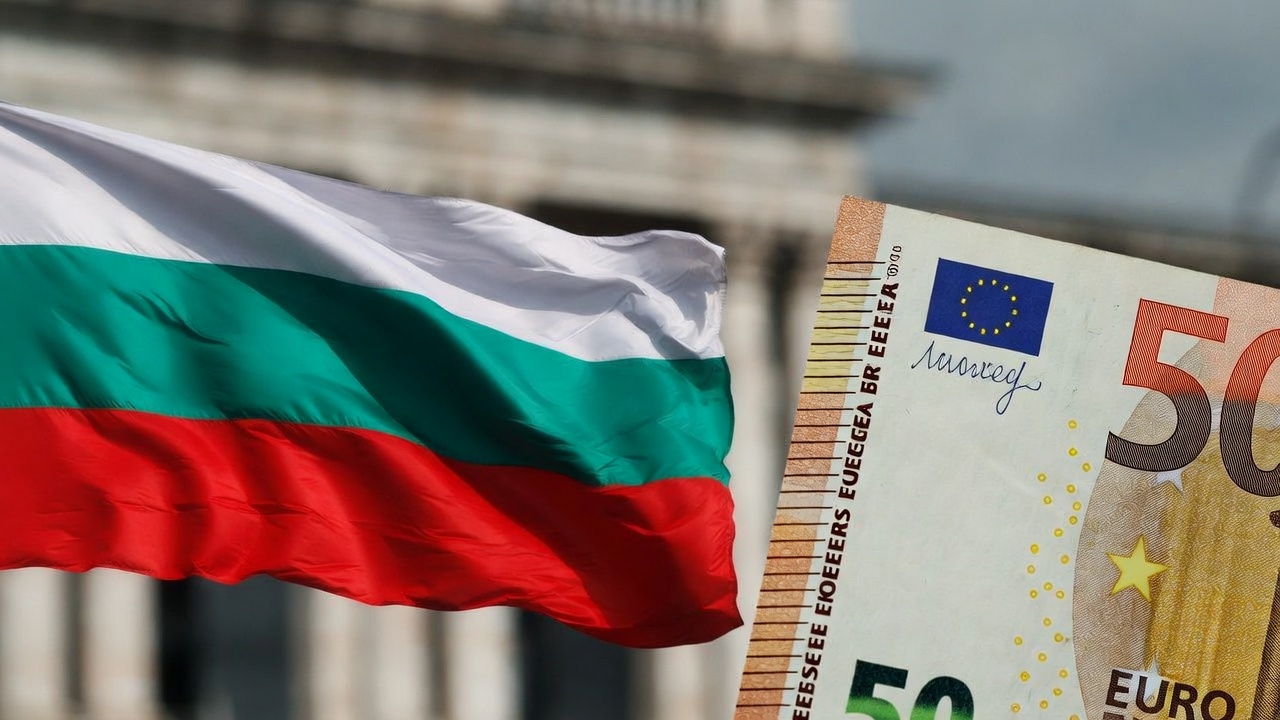
Bulgaria's adoption of the euro on January 1, 2026, marked a historic milestone in the country's economic and political integration with the European Union. As the 21st member to join the eurozone, Bulgaria replaced its national currency, the lev, which had been in use for 146 years, with the euro following a one-month dual circulation period during January 2026. This transition ended the lev's role as legal tender from February 1, 2026, and integrated Bulgaria fully into the monetary union, granting its central bank governor voting rights on the European Central Bank's Governing Council and making the Bulgarian National Bank a full shareholder in the ECB.
The path to this adoption began long before 2026. Bulgaria joined the European Union in 2007 and committed to adopting the euro once it met the Maastricht convergence criteria, which include price stability, sound public finances with deficits below 3 percent of GDP and debt below 60 percent, long-term interest rate convergence, and exchange rate stability within the Exchange Rate Mechanism II for at least two years. To stabilize its economy after hyperinflation in the 1990s, Bulgaria introduced a currency board in 1997, pegging the lev to the German mark initially and then to the euro at a fixed rate of 1.95583 lev per euro from 1999 onward. This arrangement provided exchange rate stability but limited independent monetary policy. Bulgaria entered ERM II in July 2020, setting the stage for eventual entry, though initial targets for 2024 or 2025 were delayed.
Delays occurred primarily due to challenges in meeting the inflation criterion amid global energy shocks, supply chain disruptions, and post-pandemic effects. In 2024 convergence assessments, Bulgaria's inflation exceeded the reference value, prompting postponements. Political instability, with multiple elections and coalition governments since 2021, further hindered necessary reforms in areas such as anti-corruption, judicial independence, and fiscal discipline. Public skepticism, amplified by disinformation and fears of price increases or loss of sovereignty, also contributed to hesitation. By early 2025, however, inflation moderated, fiscal indicators remained strong with public debt at around 24 percent of GDP, one of the EU's lowest, and other criteria were fulfilled. Bulgaria requested an extraordinary convergence report in February 2025, leading to positive evaluations from the European Commission and ECB in June 2025. The Council of the EU approved the adoption on July 8, 2025, confirming the January 1, 2026, date.
The timing of 2026 reflected improved economic conditions, including post-recovery growth, contained inflation, and greater political cohesion under the government in place. These factors allowed Bulgaria to overcome earlier barriers and capitalize on a window of stability.
Economically, the adoption brings substantial benefits alongside some risks. Reduced transaction costs in trade with the eurozone, which accounts for over half of Bulgaria's exports and imports, enhance efficiency and price transparency, fostering competition. Lower borrowing costs arise from anchored inflation expectations and ECB support, while access to ECB liquidity facilities and crisis mechanisms strengthens resilience. Small and medium-sized enterprises save significantly on conversion expenses, and foreign investment becomes more attractive due to eliminated currency risk. Post-adoption data indicate a smooth changeover, with euro cash comprising about 70 percent of circulation by the end of January 2026 and only minor overall price level impacts, consistent with experiences in other countries like Croatia.
Challenges include potential short-term inflationary pressures from rounding or perception-driven hikes, though these proved limited and were mitigated by price monitoring. The loss of residual monetary autonomy, already constrained by the currency board, exposes Bulgaria to asymmetric shocks without independent tools, and convergence remains gradual. GDP per capita, which rose from about one-third to nearly two-thirds of the eurozone average over the prior decade, is projected to reach around 55 percent by 2035, slower than in some Central European peers due to structural issues like low productivity and regional disparities. Sustained reforms in public investment, social protection, and productivity are essential to maximize gains and avoid stagnation risks.
For the country, it completes a sequence of integrations, EU membership in 2007, Schengen in 2025, and now the euro, affirming its place at the heart of Europe, boosting security, prosperity, and institutional credibility. Bulgaria gains influence in shaping eurozone policy and benefits from deeper financial integration. For the European Union, the enlargement to over 350 million users reinforce monetary union cohesion, counters narratives of decline, and demonstrates the euro's appeal even to less affluent members. It may encourage remaining non-euro states, while highlighting the need for policies addressing inequalities.
It represents the culmination of decades of reform and alignment, transforming a once-volatile economy into a more stable participant in Europe's shared monetary framework. Early indicators suggest a positive trajectory, with the transition managed effectively and long-term convergence dependent on prudent policymaking and structural improvements. This development underscores the enduring value of European integration in fostering growth and resilience amid global uncertainties.
• Roman Uddin is a Senior Research Associate and Youth Outreach Program Coordinator at Centre for Governance Studies (CGS)
Disclaimer: Views in this article are author’s own and do not necessarily reflect CGS policy