
Digital Curtail: New Normal of Political Censorship
Jahanara Jaba | 15 March 2026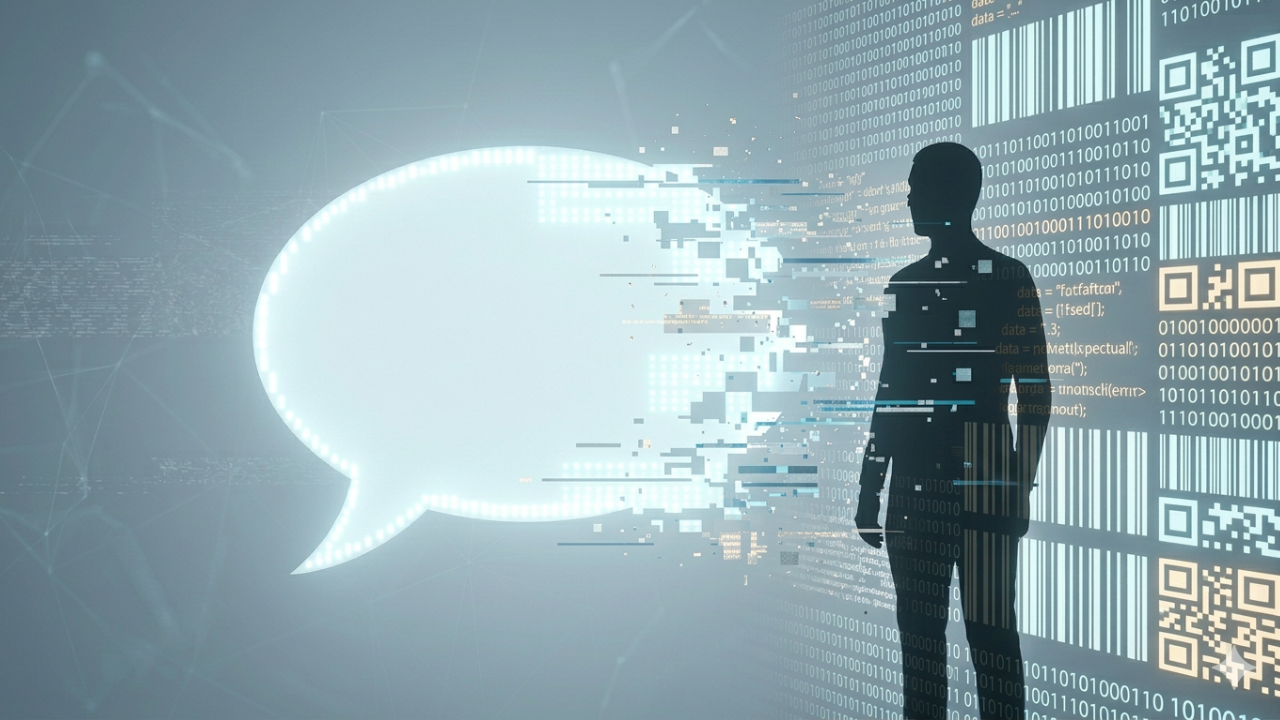
Political censorship is a constantly evolving structure of power. It is a systematic effort to suppress ideas that threaten the established social or political order. It can be defined as a diffused system that constructs and regulates knowledge within society. The shift from physical destruction of books to algorithmic filtering represents a way of regulating public opinion. In Foucault's framework of Power, Knowledge and Discourse (1997), censorship functions as a regime of truth, a set of rules and practices that depicted what is presumed acceptable, intelligible, and authoritative knowledge, while excluding alternative perspectives that challenge dominant narratives. These regimes are historically concrete; they function as radical transformations of knowledge across different setting.
Governments and powerful entities frequently employ checkpoints such as algorithmic de-ranking, where opinion is not directly banned but buried so deeply that it effectively ceases toexist for the public.The practice of censorship intervenes upon the freedom of expression. While social media offersopen access to sources of information, controlling the sources of information has becomeincreasingly national. Governmentsmeans of controlling digital space have become the newnormal of political censorship. This exemplifies Foucault’s meticulous rituals that shifted the attention from grand strategies of power to localized tactics and effects through which power circulate. This mechanism induces everyday digital interactions and encourages self-regulation among users. Power here is productive, generating new practices of surveillance and compliance that reshape conduct without apparent constraint.
Currently, the regimes constitute the form of hybrid governance; power, knowledge apparatus where knowledge is applied through institutional technologies to regulate bodies and populations. This creates pervasive self-censorship for both citizens and platforms forthose who fear the consequences. Mostly contradiction happens due to conflict with thegovernment. Ultimately, when the government or platform curates the boundaries and producing truths that sustain the dominance, it reshapes thepublic perception towards the established power and erodes transparency and accountability.
This results in two parallel sides of censorship, platforms being influenced by the political orderor initiating censorship themselves to establish a specific agenda or ideology.A perfect example of this is the intensification of the war in Gaza by Israel. The DigitalRights Index shows that approximately 25,000 violations against Palestinian content,where documentation of the genocide was labeled as violence or a harmful incident.
Meta’s policies have been observed silencing oppressed voices that support of humanrights throughout the world on its platforms like Facebook, TikTok, and Instagram, demonstrates how discourse produces subjects, positioning Palestine as threats within a regime of truth that privileges certain geopolitical narratives over others. Such biases reflect power's productive nature, generating not only exclusions but also new forms of resistance and negotiation.
Furthermore, state-sponsored AI or bot farms use rage bait to flood issues with unnecessarynoise that distracts the audience. Governments have reached the agreement that hiding the truthis harder than drowning it, therefore, an overflow of information can be used to bypass theinformation that does not align with the government. Consequently, truth becomes fugitive not through prohibition but through its dilution within a manufactured framework where discourse produces the objects of knowledge and regulates their visibility.
When voices are suppressed, citizens do not stop communicating; rather, they have developedlanguage with symbols or intentional misspellings to avoid the filters such as Algospeak. This form of resistance proves impotent against comprehensive communication blackouts imposed by states, highlighting the limits of individual agency within dominant discursive formations.
The year 2024 stands as the most devastating year for total internet shutdown. State-sponsoredinternet shutdown has been reported at least 300 incidents in more than 54 countries over the lasttwo years. The trend has continued into 2026, most notably in Iran. These surges in censorshipare not accidental but are calculated responses to high-stakes elections, mass protests, andintensifying conflicts. For example, in 2024, Bangladesh experienced a complete internetshutdown for over 22 days to counter the student-led protest by the government. Such tactics vary across political systems, reflecting distinct regimes of truth and power-knowledge dynamics. In democratic regimes like Bangladesh, shutdowns internet during crises, creates sudden vacuum of information and disciplined citizens through temporary conceptual revolution and maintaining a democratic appearance while keeping total control. This contrasts with hybrid authoritarian regime like Iran where they created a tiered system of internet to reward loyalists and state bodies while confining others to state manufactured truth. Russia’s RuNet makes this further form of censorship where a national network introduced with monopoly of information.Thissplinternet reality has established in Russia for years. Unlike European Union that employs regulatory framework such as Digital Services Act which moderately mandates transparency but subtly biased and disciplining platforms and users in the name of combating misinformation.
When a state curtails access to information, it is no longer governing a society. The silenceimposed by regime undermines the preconditions of the democracy. When the government deliberately maintains themedium of voices, it breaks the fundamental condition of human rights through power-knowledge dynamics that localizes the truth. The control of the voiceshas become the most political tool of dominance. Ultimately, the future of transparency andaccountability depends on the ability to build an independent infrastructure to ensure that when regimes enforced truth, universal scrutiny persists.
Jahanara Jaba is a Research Intern at Centre for Governance Studies (CGS)
Disclaimer: Views in this article are author’s own and do not necessarily reflect CGS policy